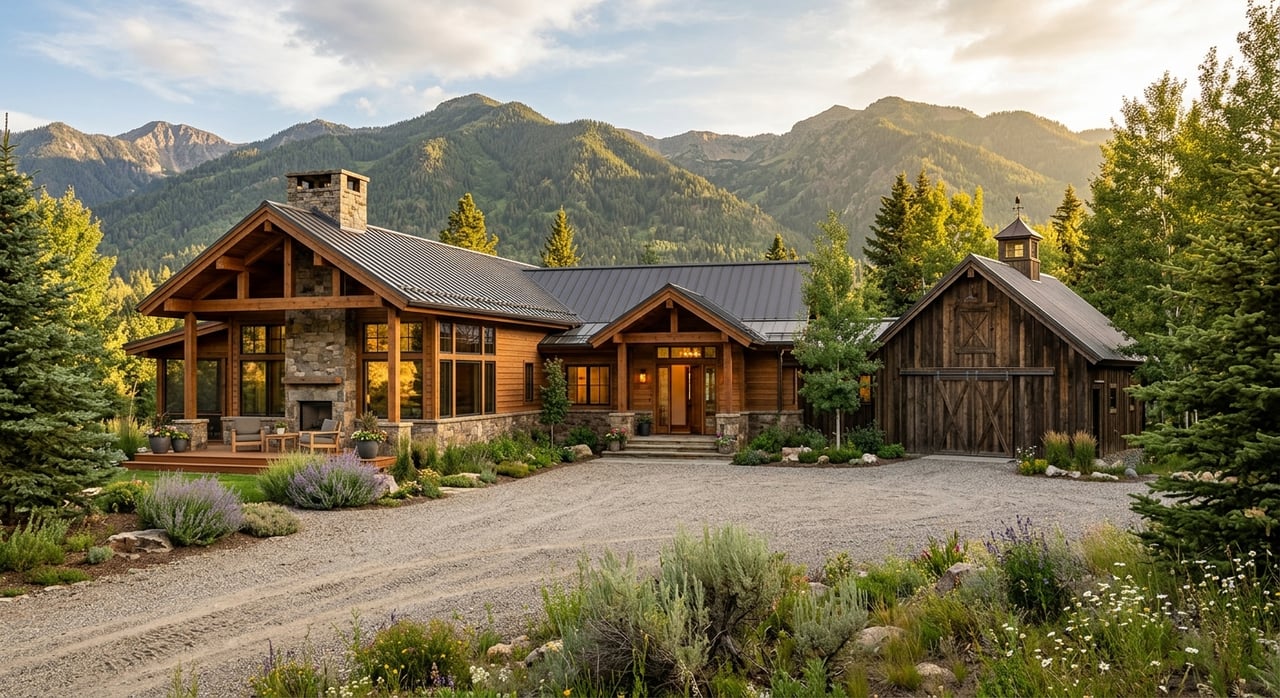
If you are dreaming about buying horse property near Bozeman, it is easy to focus on the views, the barn, or the number of acres. But in this market, the real question is whether a property can legally and practically support the way you plan to use it. When you understand zoning, water, access, and site layout before you write an offer, you can avoid expensive surprises and buy with more confidence. Let’s dive in.
Start With Zoning First
Before you fall in love with a parcel, confirm whether it sits in Gallatin County or within Bozeman city limits. Gallatin County notes that properties inside city limits are handled separately, while county properties follow county planning rules and require land use permits in all zoning districts. You can start with the county’s zoning guide and the county planning FAQs.
If the property is in Bozeman city limits, you should check the current city planning rules directly. The City of Bozeman adopted a new Unified Development Code effective February 1, 2026, so older listings or online summaries may not reflect the current standards.
This matters because horse use is not treated the same way in every district. Gallatin County specifically says buyers should review the zoning district, setbacks, building standards, permitted uses, conditional uses, and definitions before assuming a property will work.
Acreage Is Only Part of the Story
A large lot does not automatically mean you can keep horses the way you want. In Gallatin County District 6, horse keeping for private use is allowed at one horse per 2.5 acres, while South Gallatin Canyon Residential allows three horses or other large animals per acre for private use, with a 3-acre minimum lot size.
Those examples show why the exact district matters more than broad assumptions about acreage. A parcel may look ideal on paper, but the applicable district text can change how many horses you can keep and what improvements are allowed.
Usability also matters as much as size. The Bozeman area planning framework highlights setbacks and buffers for creeks, floodplains, and riparian areas, along with erosion control and natural drainage patterns, all of which can affect where you place corrals, shelters, and riding areas on the land.
Check the Buildable, Usable Area
When you tour horse property near Bozeman, look beyond the lot lines. Ask how much of the parcel is actually usable for turnout, fencing, access, and future structures.
For example, if the property borders a creek or perennial stream, setbacks may reduce where improvements can go. In South Gallatin Canyon Residential, corrals must be set back 100 feet from the mean high-water mark of any perennial stream.
Road access matters too. The Bozeman Area Plan calls for documenting emergency response time and designing access and driveway systems to address circulation and hazards. For a horse property, that is not just a convenience issue. It can affect trailer access, daily use, and emergency planning.
Review Barn and Corral Setbacks
If a property already has horse improvements, or if you plan to build them later, setbacks should be one of your first checks. Existing barns, pens, and corrals may appear functional but still need to align with the applicable standards.
In Gallatin County District 6, pens, coops, barns, stables, or permanent corrals must be at least 100 feet from any residence or public road and 50 feet from any property line. That can significantly shape where future facilities can be placed.
This is especially important on irregular lots or parcels with slopes, waterways, or other constraints. A property can have enough total acreage for horses while still offering limited room for a practical barn and turnout layout.
Personal Use Versus Commercial Use
Many buyers want to do more than keep a few personal horses. You may be thinking about boarding, lessons, training, or a more active equestrian setup. If so, zoning definitions become even more important.
Gallatin County zoning distinguishes between different types of equestrian use. In the Bozeman Pass district, a personal equestrian facility is defined differently from a commercial equestrian facility, which can include horse ranches, boarding stables, riding schools, and equine exhibition facilities.
That means a property that works for private horse keeping may not automatically allow a business use. If your long-term plan includes lessons, boarding, or training, confirm whether the use is permitted outright, allowed conditionally, or not allowed in that district.
Water Deserves Careful Attention
Water is one of the most important due diligence items when buying horse property in Montana. A well, stock tank, or water system can affect everyday horse care as well as your long-term plans for the land.
According to the Montana Department of Natural Resources and Conservation, a recorded water right is required for the majority of water uses, and Montana follows prior appropriation. The agency also notes that a well log does not itself create a water right.
In practical terms, you should verify what water rights exist, whether any filings are needed, and how the current setup supports the intended use of the property. If a stock tank or other water feature is important to your plans, that review should happen early.
Test Any Private Well
If the property relies on a private well, do not assume water quality is guaranteed. The Montana Department of Environmental Quality states that private well water is not regulated by the state, and it recommends annual testing for nitrate and bacteria.
That guidance matters for any rural property, especially one where you plan to support livestock and full-time residential use. A well inspection and water testing plan can help you move forward with clearer expectations.
Verify Septic and Future Permits
Horse property buyers often think ahead to adding a barn, arena, shop, or other outbuildings. Before you buy, confirm which agency handles permits for the property and whether existing systems support future improvements.
Gallatin County states that outside Belgrade and Bozeman, the State Building Division handles building permits, while septic permits go through Environmental Health. The county’s planning FAQs are a useful starting point for understanding who to contact.
This step can save you time and frustration later. A property may fit your vision today, but permit pathways and infrastructure capacity will shape what you can add in the future.
Do Not Skip Covenants
Zoning is only one layer of review. Private covenants can create additional restrictions or obligations that affect horse use, fencing, structures, and land management.
Gallatin County notes that recorded covenants are kept by the Clerk and Recorder, and the Bozeman Area Plan also references covenants related to wildlife-friendly fencing, fire protection measures, and other mitigation. In other words, even if zoning allows a use, covenants may still limit how you carry it out.
This is one of the biggest reasons horse property due diligence should happen early. You want the full picture before you commit, not after closing.
Think About Fencing and Wildlife
In the Bozeman area, fencing is not just about containing horses. It may also need to fit broader site and environmental considerations.
The Bozeman Area Plan encourages wildlife-friendly fencing, animal-proof refuse containers, and erosion control measures. If a parcel is near open space or wildlife corridors, those considerations may influence how you design turnout areas, trash storage, and access routes across the property.
A practical layout balances horse use with the realities of the land. That includes drainage, erosion, wildlife movement, and how daily routines will work in every season.
Consider Trail and Recreation Access
One reason many buyers look for horse property near Bozeman is access to riding opportunities beyond the property itself. The Custer Gallatin National Forest offers horseback riding and camping opportunities in the broader Bozeman area, including access around Hyalite, the Bridger Range, and trailheads close to town.
The forest service identifies horse-accessible trailheads such as Battle Ridge, Chestnut, Moser Creek, and Buffalo Horn. However, those opportunities come with rules. For example, Buffalo Horn has a seasonal restriction from April 1 to June 15 when the site is foot traffic only and stock use is restricted during spring melt conditions.
The forest service also notes that horse users must use weed-seed-free hay, and most developed campgrounds do not allow camping with stock. These details can affect how you plan day rides, overnight trips, and trailer logistics.
Confirm Access Is Actually Legal
Nearby trails can add a lot to a horse property lifestyle, but access should always be verified. A route that looks convenient may cross private land or depend on informal use rather than a recorded right.
The Forest Service page for Chestnut Trailhead states that the first part of the trail crosses private land. That is a good reminder to verify whether access is public, easement-based, or simply assumed.
If trail access is central to your buying decision, ask questions early and confirm the facts before writing an offer. Convenience and legal access are not always the same thing.
A Smart Buyer Workflow
When you are comparing horse properties near Bozeman, a simple step-by-step process can keep you grounded. The research from local agencies points to a practical workflow:
- Confirm whether the property is in Gallatin County or Bozeman city limits.
- Read the exact zoning district text and review permitted and conditional uses.
- Check setbacks, stream buffers, and other site constraints.
- Review recorded covenants early.
- Verify water rights, well information, and septic considerations.
- Confirm permit pathways for any future barns, arenas, or outbuildings.
- Walk the property with your agent and contact the appropriate county, city, or state office before writing an offer.
That process may feel detailed, but it is what helps you buy a property that fits both your lifestyle and the rules that govern the land.
If you are exploring horse property near Bozeman, you deserve guidance that goes beyond listing photos and acreage counts. Carol Hoffman can help you evaluate horse properties with a careful, relationship-first approach so you can move forward with clarity and confidence.
FAQs
How many horses can I keep on a horse property near Bozeman?
- It depends on the zoning district. Local examples in Gallatin County range from one horse per 2.5 acres in District 6 to three horses or other large animals per acre in South Gallatin Canyon Residential for private use.
Can I board horses or offer riding lessons on a Bozeman-area property?
- Maybe, but you need to verify the zoning district. Gallatin County rules distinguish personal equestrian uses from commercial equestrian facilities, and some uses may require different approvals.
Do I need to check water rights when buying horse property in Gallatin County?
- Yes. DNRC states that a recorded water right is required for the majority of water uses, and a well log alone does not create a water right.
Should I test a private well on a horse property near Bozeman?
- Yes. Montana DEQ says private well water is not regulated by the state and recommends annual testing for nitrate and bacteria.
Are nearby horse trails always public and accessible?
- No. Some trail routes may cross private land, and some areas have seasonal restrictions on stock use, so access should always be verified.
What should I review before making an offer on horse property near Bozeman?
- Start with jurisdiction, zoning, setbacks, covenants, water rights, well and septic details, permit requirements, and a site visit focused on how the land actually functions for horse use.