If you are thinking about relocating from Denver to Centennial, you are probably not looking for a totally different region. You are looking for a different daily rhythm. The move can bring more space, a more residential feel, and a home environment that often feels more settled, but it can also mean higher housing costs and a more car-oriented routine. This guide will help you understand the real lifestyle and housing shifts so you can decide whether Centennial fits the way you want to live. Let’s dive in.
Denver vs. Centennial at a glance
Moving from Denver to Centennial usually changes the feel of your day more than it changes your overall metro connection. Centennial remains tied to the same Front Range economy and lifestyle, with many residents commuting to Denver, Aurora, Greenwood Village, and Littleton.
The biggest differences show up in density, household makeup, and housing patterns. Centennial has about 108,853 residents and 3,647.9 people per square mile, while Denver has 729,019 residents and 4,674.3 people per square mile. In simple terms, Centennial tends to feel less dense and more suburban.
Centennial also has a somewhat older and more household-centered profile. About 21.8% of residents are under 18 and 18.9% are 65 or older, compared with 18.0% under 18 and 12.5% age 65 and older in Denver. Household size is also larger in Centennial at 2.53 people per household versus 2.10 in Denver.
Lifestyle shifts you will notice first
Centennial feels more settled
One of the clearest shifts is how residential Centennial feels. Owner occupancy is much higher in Centennial, with 80.6% of housing units owner-occupied compared with 48.8% in Denver.
That difference often shows up in the pace of a neighborhood. Denver can feel more mixed, with more renters, roommates, and turnover, while Centennial often feels more rooted and consistent from block to block.
Your routine may become more car-oriented
If you are used to living in a Denver neighborhood where errands, restaurants, or transit stops are close at hand, Centennial may feel different right away. The city is connected to the metro, but daily mobility leans much more toward driving.
Centennial reports an average commute of 25.9 minutes. About 78.6% of commuters drive alone, 10.6% work from home, 2.9% use public transportation, 1.2% walk, and 0.4% bike.
The city has transportation options, including 14 bus routes before COVID, three FlexRide options, and light-rail service on the E, F, and R lines. Still, its Walk Score of 36, Bike Score of 47, and Transit Score of 25 show that Centennial functions more like a driving suburb than a car-light urban area.
Denver generally offers more transportation flexibility. The city continues to work on fast and frequent transit improvements, and about 6% of Denver residents commute by biking or walking. If your current Denver lifestyle depends on walkability or a wider range of transit choices, this is an important adjustment to think through.
Housing shifts are often the biggest change
Expect more yard-oriented housing
For many buyers, the most noticeable difference between Denver and Centennial is the housing stock. Denver has a broader mix of condos, apartments, rowhomes, duplexes, detached homes, and larger multifamily buildings.
Denver’s residential properties are 44% single-family detached, 35% buildings with 20 or more units, and 11% single-family attached, with the rest mostly in smaller multifamily buildings. That mix helps explain why many Denver neighborhoods feel more compact and vertical.
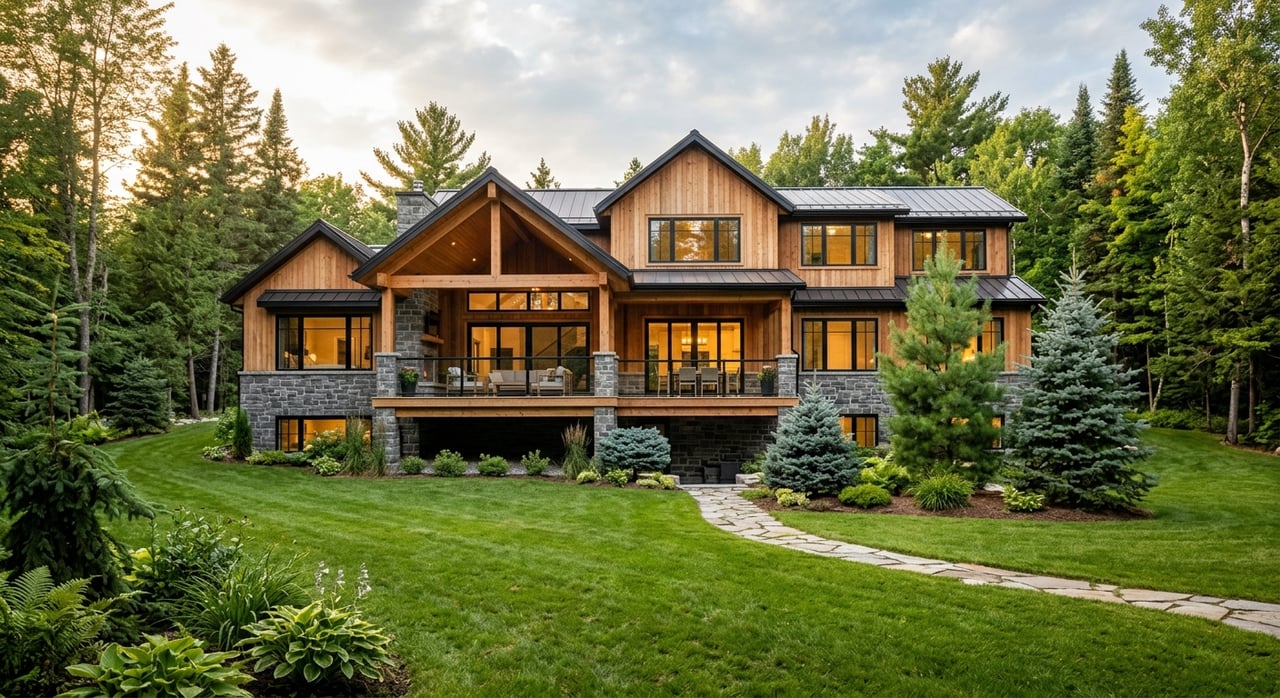
Centennial includes a range of housing too, but the built environment often feels more spread out. The city’s zoning includes suburban residential districts as well as urban residential districts, yet its lot standards reflect a more yard-oriented pattern in many areas.
For example, Centennial residential standards include minimum lot areas of 9,000 square feet in RS detached districts, 5,000 square feet in RA detached districts, and 4,000 square feet in RU districts. That does not mean every home sits on a large lot, but it does help explain why Centennial often feels less stacked and less tightly packed than Denver.
Home prices are not automatically lower
A common assumption is that moving from Denver to a suburb will lower your housing payment. In Centennial, that is not a safe assumption.
Centennial’s median owner-occupied home value is $658,100, compared with Denver’s $616,000. Median gross rent is also higher in Centennial at $2,148, versus $1,831 in Denver.
This is one of the most important takeaways for relocation planning. The tradeoff is often more space and a different pace, not necessarily a lower monthly cost.
Higher incomes help support the market
Centennial households report a median income of $131,928, compared with $94,718 in Denver. That helps explain why home values are higher in Centennial.
If you are moving within the metro, it helps to look beyond headline prices and think about value in terms of layout, lot size, parking, storage, and how you want your home to function. In many cases, buyers moving to Centennial are prioritizing space and lifestyle over price savings.
Neighborhood rhythm and amenities
Centennial offers open space close to home
Centennial stands out for neighborhood-oriented parks and trails. The city says it has more than 100 parks, more than 100 miles of trails, and more than 4,000 acres of open space across its park districts.
That shapes everyday life in a practical way. You may trade some of Denver’s amenity density for easier access to neighborhood open space, local trails, and a more residential pace.
Centennial Center Park is one example of that local focus. It is an 11-acre city park with playgrounds, shelters, walking trails, amphitheater space, and an expansion completed in 2023 that added more gathering and recreation space.
Mixed-use pockets still add convenience
Centennial is not purely suburban. The Streets at SouthGlenn is described by the city as a mixed-use center with shopping, dining, living, and working options.
The city is also planning for more mixed-use growth in places like Midtown, with a vision tied to regional transit, walkable neighborhoods, and a mix of housing, employment, and retail. So while Centennial is more suburban overall, it still includes areas that offer a more connected, modern feel.
Denver still has more amenity density
Denver Parks and Recreation manages more than 280 urban parks, nearly 20,000 acres of urban and mountain parkland, 30 recreation centers, and more than 100 miles of off-street trails. That scale gives Denver a more urban amenities network.
If you enjoy having more walk-to options packed into a smaller area, Denver may still have the edge. If you prefer a quieter residential rhythm with open space woven into daily life, Centennial may feel like a better fit.
What the move means for your home search
Focus on lifestyle, not just square footage
When comparing Denver and Centennial, it helps to think beyond the number of bedrooms or the size of the lot. A move to Centennial can reshape how you commute, how often you drive, how you use outdoor space, and what kind of neighborhood setting feels right for you.
Ask yourself questions like:
- Do you want more indoor and outdoor space?
- Are you comfortable with a more car-oriented routine?
- How important is walkability for your day-to-day life?
- Would a more settled residential setting fit your goals better?
- Are you prepared for the possibility that housing costs may not drop?
Understand the housing mix before you move
Centennial does offer more than traditional suburban homes. The city includes mixed-use districts, urban residential areas, and rules that allow accessory dwelling units on residentially zoned property when they fit the principal home and neighborhood context.
Detached ADUs are capped at 17 feet under city guidance. That means there is some flexibility in the housing landscape, but the overall character still leans more suburban and yard-oriented than Denver.
For buyers relocating from Denver, this matters because your ideal Centennial home may not look like a direct one-for-one swap. You may gain lot size, storage, and a different neighborhood feel, but give up some proximity and ease of walking to daily destinations.
Is Centennial a good fit after Denver?
Centennial can be a strong fit if you want to stay connected to the Denver metro while shifting toward a more spacious and residential lifestyle. It offers strong regional access, a high owner-occupancy rate, extensive parks and trails, and housing patterns that often feel less compact than Denver.
At the same time, it is important to go in with clear expectations. Centennial is not necessarily cheaper, and it usually supports a more car-dependent routine.
That is why a smart relocation plan starts with your real priorities. If you know the lifestyle changes you want and the tradeoffs you are willing to make, you can search with much more confidence.
If you are weighing a move from Denver to Centennial, working with a local team that understands both markets can make the process much easier. Carol Hoffman can help you compare neighborhoods, housing options, and lifestyle fit so you can make a move that truly supports your next chapter.
FAQs
What is the biggest lifestyle difference when moving from Denver to Centennial?
- The biggest lifestyle difference is usually the shift to a less dense, more residential setting with a more car-oriented daily routine.
Are homes in Centennial cheaper than homes in Denver?
- Not necessarily. The research shows Centennial’s median owner-occupied home value is higher than Denver’s, so the move often brings more space rather than lower cost.
How does commuting from Centennial compare with commuting in Denver?
- Centennial stays well connected to the metro, but most commuters drive alone, and the city functions more like a driving suburb than a transit-oriented urban area.
Does Centennial have condos, mixed-use areas, or only suburban homes?
- Centennial has a mix of housing types, including mixed-use and urban residential areas, but overall it still feels more yard-oriented and suburban than Denver.
What amenities does Centennial offer for daily life?
- Centennial offers more than 100 parks, more than 100 miles of trails, over 4,000 acres of open space across park districts, and mixed-use destinations like the Streets at SouthGlenn.