If you love the idea of a home with real character, Park Hill likely has your attention. The neighborhood’s older homes can offer beautiful details, lasting materials, and a strong sense of place, but they also come with questions about upkeep, renovations, and what “historic” really means in Denver. If you are thinking about buying or owning a historic home in Park Hill, this guide will help you understand what to look for, what to ask, and how to protect both charm and long-term value. Let’s dive in.
Park Hill’s Historic Appeal
Park Hill’s roots go back to 1887, and much of its growth happened during the building boom of the early 1900s through the 1920s and 1930s. That long development window is part of what gives the area its visual variety. Instead of one single look, you will often see a mix of original features and later updates from different eras.
Denver’s East Area Plan also highlights preserving existing homes and neighborhood architecture in South Park Hill. For you as a buyer or owner, that matters because the neighborhood’s value is tied not just to square footage, but also to the features that make these homes feel distinct and connected to their setting.
Common Park Hill Home Styles
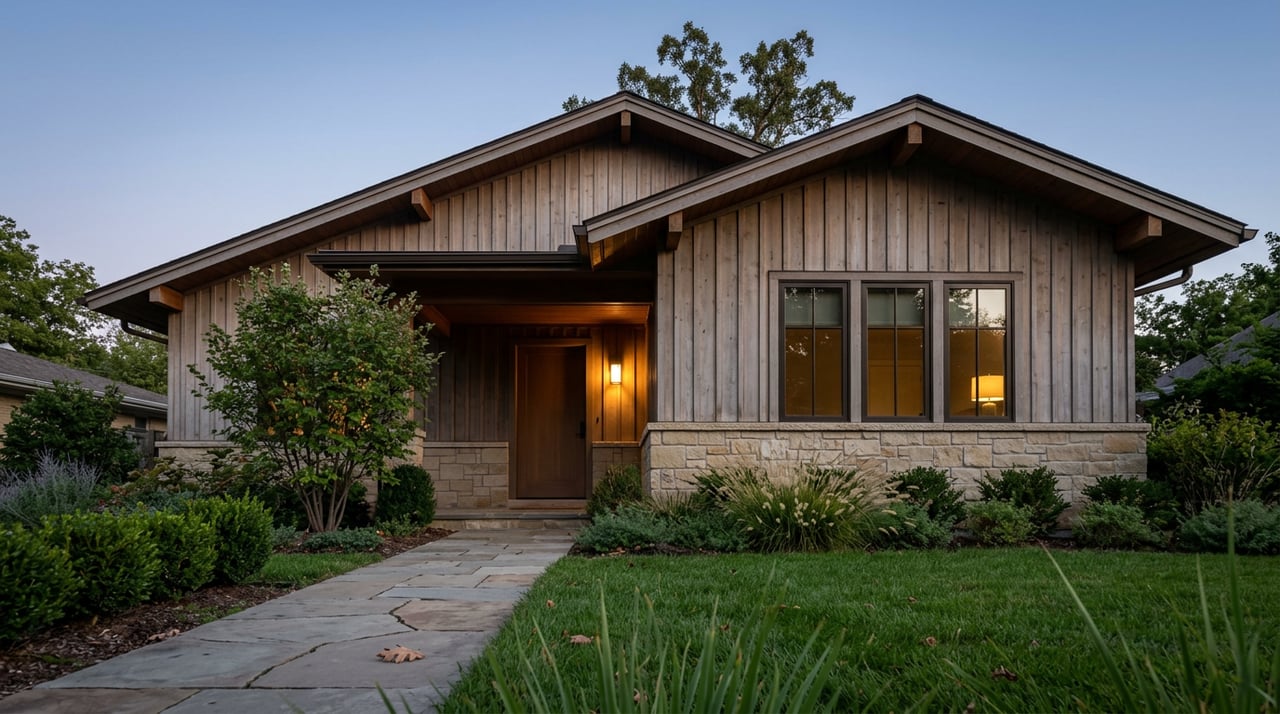
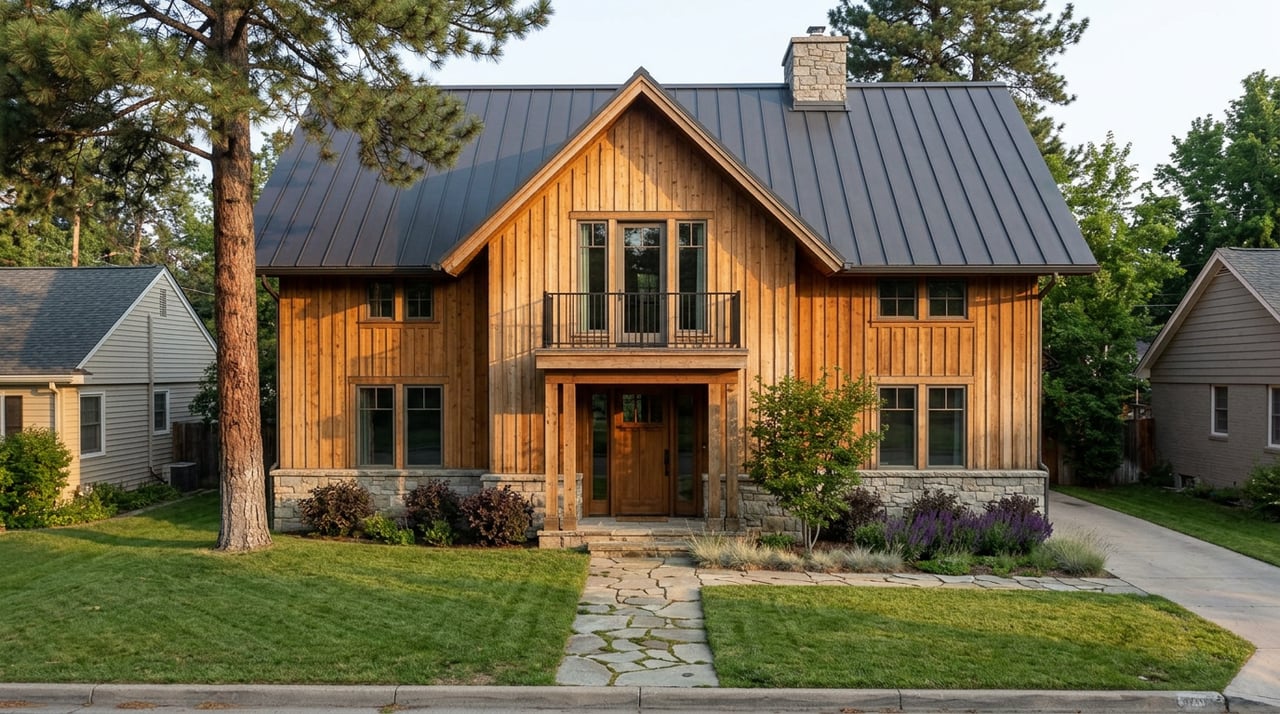
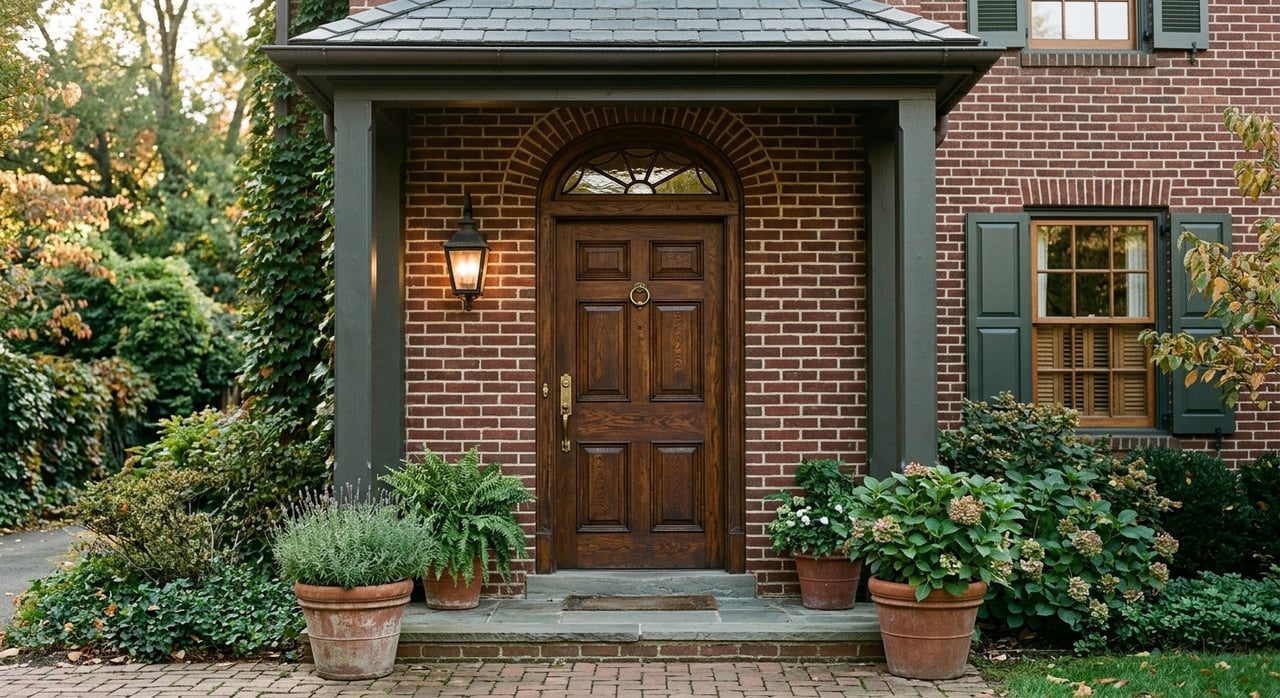
Park Hill includes several architectural styles identified by the City and County of Denver. Common examples include Foursquares, also called Denver Squares, along with Arts and Crafts, Tudor Revival, French Eclectic, Colonial Revival, and some Spanish Eclectic homes.
These style labels are helpful, but the details often matter more than the category. When you are evaluating a home, pay attention to elements like original trim, brickwork or masonry, roof shape, porch proportions, and the spacing and rhythm of windows. Those are often the features that carry the home’s character.
Why Original Details Matter
In an older Park Hill home, charm is usually found in the materials and proportions that have lasted over time. Wood windows, masonry, porches, and original millwork can all be part of what makes the property special.
That does not mean every old feature must stay untouched forever. It means you should know which details define the home before making changes, so updates improve livability without stripping away the qualities that made you want the home in the first place.
What “Historic” Means in Denver
One of the biggest misconceptions buyers have is assuming any older home is automatically considered historic in a legal sense. In Denver, age alone does not trigger historic review.
For Park Hill homes, the key question is whether the property is individually designated as a city landmark or located within a historic district. Park Hill is not on Denver’s current published list of local historic districts, but some individual homes in the neighborhood have been designated as landmarks.
How to Check a Home’s Status
If you are serious about a specific property, confirm its status early. Denver’s historic landmarks map identifies districts and individual landmarks, and the city advises owners and buyers to contact Landmark Preservation if the status is unclear.
That step can save you time and frustration. If a home is designated, exterior work and demolition review may involve city oversight, which can affect your renovation plans, budget, and timeline.
When Historic Review Applies
Denver Landmark Preservation reviews demolition applications citywide and reviews exterior work for local landmarks and properties in historic districts. The city’s design guidelines apply to individually designated landmarks and historic districts, with a separate framework for Lower Downtown.
If you own or plan to buy a designated home, the city recommends a pre-application meeting before project planning. That is a smart move if you are considering exterior changes, because it helps you understand the process before investing in design work.
Smart Due Diligence for Older Homes
Buying an older home is less about finding a flawless property and more about understanding its condition clearly. In Park Hill, you want to separate cosmetic appeal from repair needs, incomplete updates, or deferred maintenance.
A standard home inspection is one of the most important steps. It is a visual examination of major systems and components, including the roof, windows, basement, air conditioning, plumbing, electrical systems, and foundation.
Schedule Inspections Early
Your inspection timing matters. If your contract includes an inspection contingency, scheduling early gives you time to review findings, request more information, and make decisions within your contract deadlines.
For a Park Hill home, that extra time is especially valuable. Older homes can have layers of repairs and changes over decades, and you may need follow-up evaluations depending on what the inspector finds.
Review Seller Disclosures Carefully
In Colorado, the seller disclosure process is especially important when you are buying an older property. Denver Water notes that the Colorado Real Estate Commission’s seller disclosure asks about the source of water and any known galvanized or polybutylene piping.
Colorado law also requires disclosure of the potable water source in residential transactions. Review these disclosures early in your due diligence period so you are not rushing through key details at the end of your inspection window.
Age-Related Issues to Watch in Park Hill
Older homes can be wonderful to own, but they often come with health and maintenance concerns that deserve careful attention. In Park Hill, a few items should stay high on your list during due diligence.
The main age-related issues mentioned in the research are lead, radon, and asbestos. These are not reasons to panic, but they are good reasons to ask questions, test when appropriate, and plan renovations responsibly.
Lead Paint and Older Plumbing
Lead-based paint is more likely in older homes, especially those built before 1978. Sellers of most pre-1978 homes are required to disclose known lead-based paint information and provide a lead hazard pamphlet.
Lead can also enter water through older customer service lines or plumbing inside the home. If you are buying an older Park Hill property, review disclosures closely and think about how any future renovation work might disturb painted surfaces.
Radon Testing in Colorado
Radon is a major issue in Colorado. The Colorado Department of Public Health and Environment says elevated radon levels are found in one out of every two Colorado homes and recommends testing during real estate transactions.
That makes radon testing a practical default for many Park Hill buyers. Even if a home looks beautifully maintained, radon is not something you can judge by appearance alone.
Asbestos and Renovation Planning
Older homes may also contain asbestos in some materials. If those materials are intact and will not be disturbed, testing is not always necessary.
But if you plan to remodel, open walls, or replace finishes, you should approach the work carefully. Renovation planning in an older home should always account for the possibility of hidden materials that require proper handling.
Preserving Character Without Freezing the Home
Owning a historic or older Park Hill home does not mean you have to treat it like a museum. The goal is usually balance: preserve the features that define the home while making thoughtful updates for comfort, safety, and daily living.
That mindset aligns well with preservation guidance that emphasizes maintenance and repair of historic materials rather than wholesale replacement. In many cases, the best long-term approach is to keep and maintain quality original features when possible.
Focus on Repair Before Replacement
Historic windows are a great example. Preservation guidance notes that well-maintained historic windows can last a long time and may even outlast some replacement windows.
The same principle can apply to trim, masonry, porches, and roof forms. Before removing original materials, it is worth asking whether repair or restoration could achieve your goals while keeping the home’s character intact.
Separate Character From Condition
This may be the most useful mindset for a Park Hill buyer. Character includes the original materials, details, and proportions that make the home feel authentic to the neighborhood.
Condition is something different. It includes safety, durability, system performance, and the quality of past modifications. When you separate those two ideas, it becomes easier to make smart decisions and avoid confusing charm with soundness.
Renovation Tips for Park Hill Owners
If you buy an older home in Park Hill, your renovation choices can have a big impact on both enjoyment and resale appeal. The most successful updates usually improve how the home functions while still respecting what makes it feel like Park Hill.
A few practical habits can help guide your decisions:
- Confirm whether the property is individually designated before planning exterior changes
- Keep records of repairs, upgrades, and contractor work
- Prioritize structural, electrical, plumbing, and moisture issues before cosmetic projects
- Evaluate whether original features can be repaired instead of replaced
- Review disclosures and inspection findings with future maintenance costs in mind
- Plan renovation timelines carefully if older materials may require special handling
Why Guidance Matters When Buying Older Homes
Historic and older homes often require more context than newer construction. You are not just evaluating finishes and floor plans. You are also looking at how the home has aged, what has been updated, what still needs attention, and how local rules may affect future projects.
That is where experienced guidance can make a real difference. A thoughtful real estate advisor can help you slow down, ask better questions, and weigh the home’s charm alongside the practical realities of ownership.
Owning a historic home in Park Hill can be deeply rewarding. With the right due diligence and a clear plan for preservation and maintenance, you can enjoy the character that drew you in while making confident decisions for the future. If you are considering a Park Hill purchase or preparing to sell an older home with distinctive features, Carol Hoffman can help you navigate the process with local insight and personal attention.
FAQs
What makes a home historic in Park Hill Denver?
- In Park Hill, a home is not considered historic for review purposes just because it is old. The key issue is whether it is individually designated as a Denver landmark or located within a historic district.
Should you get a radon test for a Park Hill Denver home?
- Yes. The Colorado Department of Public Health and Environment recommends radon testing in real estate transactions, and elevated levels are found in one out of every two Colorado homes.
What should buyers inspect in an older Park Hill home?
- Buyers should have a general home inspection that reviews major systems and components such as the roof, windows, basement, air conditioning, plumbing, electrical systems, and foundation.
Do historic homes in Park Hill Denver need city review for renovations?
- Some do. If a Park Hill property is individually designated as a local landmark, Denver Landmark Preservation reviews exterior work, and the city recommends a pre-application meeting before planning projects.
What old-home issues matter most in Park Hill Denver?
- Common concerns include lead-based paint, possible lead exposure through older plumbing or service lines, radon, asbestos, and deferred maintenance hidden behind cosmetic updates.