Wondering what day-to-day life really feels like in University Park around Observatory Park? If you are looking beyond listing photos and want a clearer sense of the neighborhood’s rhythm, this area offers a mix that feels both calm and connected. You get quiet residential streets, a historic park at the center, nearby coffee stops, and practical transit access that can make daily routines easier. Let’s dive in.
A Park-Centered Daily Routine
Life around Observatory Park tends to feel grounded by the park itself. It is more than a patch of green in the neighborhood. It works as a familiar landmark, a place to walk, gather, play, or simply slow down during the day.
Observatory Park also carries real historic weight in University Park. City historic district records note that it was one of the original parks laid out for the University Park colony and the only one fully developed as a park. Today, it includes the Chamberlin Observatory, Students Observatory, a fountain, restrooms, a playground, an informational kiosk, a tennis court, and a baseball field.
That mix helps explain why the park feels woven into everyday life. You can picture a morning walk, an afternoon at the playground, or a quick stop at the tennis court without needing to leave the neighborhood. It gives the area a steady, lived-in feel rather than a destination-only vibe.
Chamberlin Observatory Adds Character
One of the most distinctive parts of the area is the Chamberlin Observatory. The University of Denver notes that it dates to 1890, has been open for more than 120 years, and still hosts public nights and open houses. That gives the neighborhood a feature you do not find in many parts of Denver.
For residents, the observatory adds both identity and routine. It is historic, memorable, and tied to community events, which can make the neighborhood feel more rooted and recognizable. Even if you are not attending an event every week, having that kind of landmark nearby shapes the experience of living here.
Mostly Residential, With Activity at the Edges
University Park is best understood as a mostly residential neighborhood. According to Denver’s neighborhood plan, about 69% of the net acreage is single-family, while parks and open space account for 6%, civic uses 6%, and retail and services just 2%. In simple terms, most of what you see and feel day to day is residential.
That matters if you are looking for a quieter setting within Denver. The neighborhood plan also says the internal area between Columbine and Jackson is almost entirely single-family. This helps create a calmer interior pattern, especially compared with busier commercial corridors elsewhere in the city.
At the same time, the edges bring more activity. South University Boulevard functions as DU’s Main Street, which means you are close to campus energy and corridor access without that same intensity carrying across every block. The result is a neighborhood that can feel peaceful at home while still keeping daily conveniences within reach.
Streets Designed for Everyday Movement
Denver’s plan for the area emphasizes walking, bicycling, on-street parking, and access to local parks on residential streets. That gives you a clue about how the neighborhood is meant to function. It is not only about driving from one destination to the next.
Instead, the layout supports shorter neighborhood routines. A park walk, a bike ride, or a quick trip toward the campus edge can fit naturally into the day. For many buyers, that balance is a big part of the appeal.
Coffee, Casual Stops, and Simple Errands
Everyday life is often shaped by the places you can visit without much planning. Around University Park, a few nearby spots help support that easy routine. You are not looking at a dense retail district, but you do have options that match the area’s campus-adjacent, neighborhood-focused feel.
La Belle Rosette at 2423 S University Blvd describes itself as a family-operated neighborhood espresso bar by day and wine bar by night. It offers espresso drinks, teas, pastries, breakfast and lunch items, and tapas. That kind of all-day flexibility fits well with the neighborhood’s pace.
Kaladi Coffee Roasters also has a location at 1730 E Evans along the neighborhood edge. It adds another established coffee option nearby, which can matter more in daily life than people expect. A regular coffee stop or casual meeting place often becomes part of how a neighborhood feels over time.
What the Commercial Mix Feels Like
The neighborhood does not read as retail-heavy, and that is part of its identity. With only a small share of land devoted to retail and services, University Park stays more residential in character. Commercial activity is present, but it tends to sit along the edges and near DU rather than dominating the interior blocks.
For some buyers, that feels like the right middle ground. You can access coffee, campus-area businesses, and corridor amenities, but the neighborhood still reads as a place to come home to. That distinction is worth keeping in mind if you are comparing University Park with denser Denver neighborhoods.
Parks and Trails Fit Into Daily Life
If you like working outdoor time into a normal weekday, this area offers practical options. The University of Denver’s pedestrian-paths page lists Observatory Park, Harvard Gulch, and the Cherry Creek Bike Path among short outings from campus. That gives a useful snapshot of how outdoor routines can connect to daily life here.
You do not need a major excursion to spend time outside. A short park visit, a jog, or a bike ride can be part of a regular morning or evening. For many residents, that kind of accessibility adds a lot to the neighborhood’s long-term livability.
This also reinforces the area’s overall feel. University Park is not trying to be urban-dense or entertainment-heavy. Instead, it offers a residential setting with easy ways to step outside, move around, and stay connected to the larger city.
Transit Makes Getting Around Easier
University Park has practical transit advantages, especially near the campus edge. RTD’s University of Denver Station at 1901 E Buchtel Blvd is a Park-n-Ride with 540 parking spaces. It serves Route 24 along with the E and H rail lines.
That setup can make commuting or regional trips more manageable. It does not necessarily mean most people will live car-free, but it does support a more car-light routine for some households. That is an important distinction if you want options without giving up convenience.
Nearby bus routes also help strengthen corridor access. Route 21 runs along Evans Avenue, and Route 40 runs along Colorado Boulevard. Together, those connections make the neighborhood feel linked to surrounding areas while still keeping its quieter residential core.
Car-Light, Not Fully Car-Free
The most accurate way to describe transit here is functional and helpful. You have rail and bus access anchored near the neighborhood, especially at the campus edge. That can reduce reliance on a car for some trips, but the area still feels residential rather than fully transit-centered.
For many buyers, that is actually a plus. You get more flexibility in how you move around, without the neighborhood losing its calmer pace. It is one more example of the balance University Park tends to offer.
Homes Show a Layered Neighborhood Story
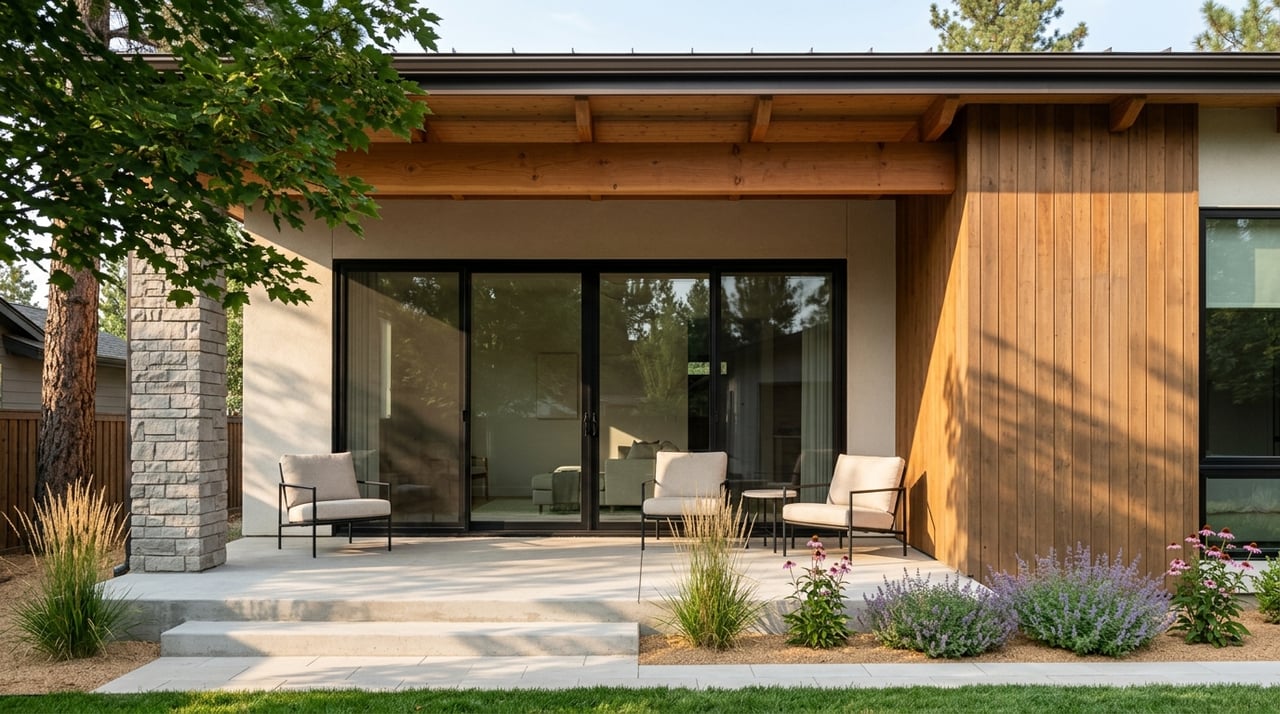
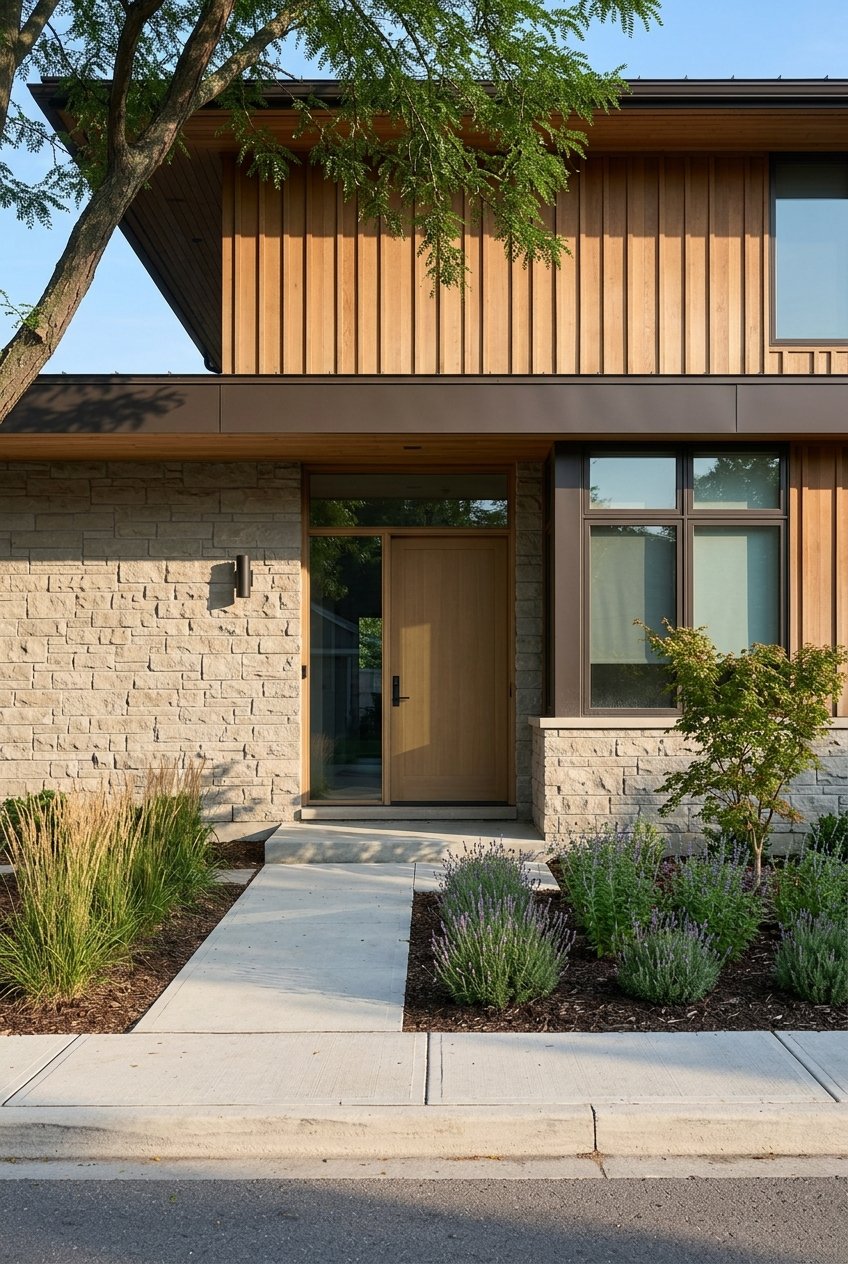
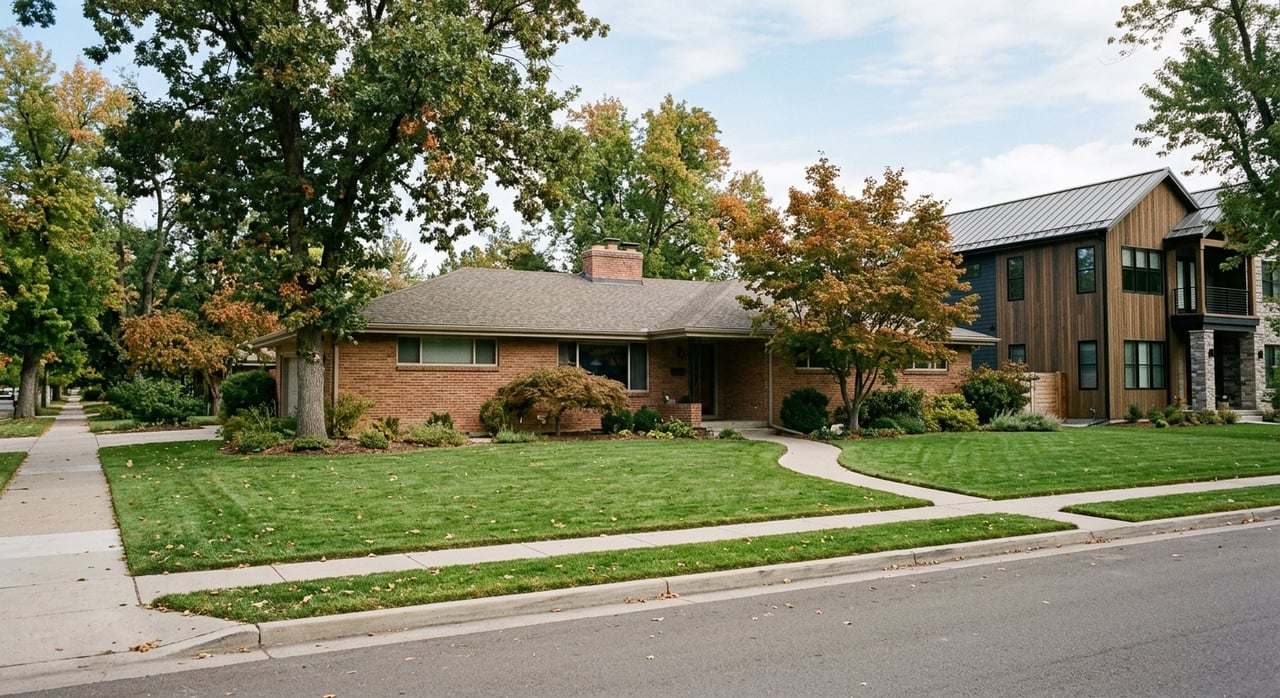
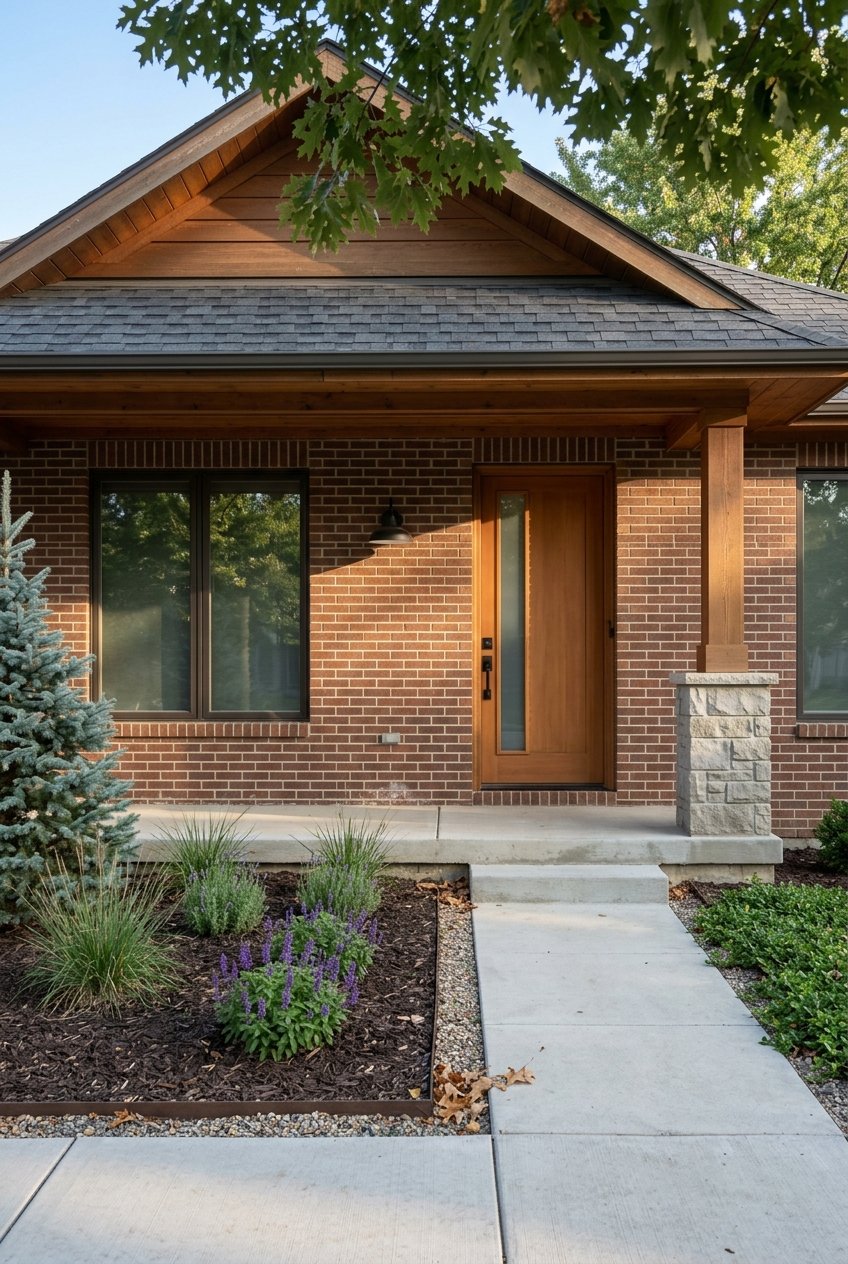
The housing stock around Observatory Park is not all one look, and that variety is part of the neighborhood’s appeal. City historic district forms document Queen Anne, Shingle, early-1900s Foursquare and Denver Square homes, Tudor Revival and Storybook examples, Colonial Revival and Spanish Colonial Revival houses, plus later Modernist work. That is a wide architectural range for one neighborhood.
In practical terms, this means the streetscape can feel layered rather than uniform. You may notice older homes with distinctive details, preserved blocks near the park, and newer infill in some areas. That kind of variety often gives a neighborhood more visual character over time.
The same city records note that some of the neighborhood’s earliest homes face Observatory Park, including Professors Row on South Milwaukee. For buyers and sellers alike, this helps explain why certain blocks feel especially established and tied to the neighborhood’s historic identity.
What Buyers Often Notice First
When you walk or drive through the area, the park-facing blocks and mature residential streets often leave a strong first impression. The neighborhood can feel settled, with architecture that reflects different periods rather than a single development wave. That layered look tends to give University Park more personality than a one-style neighborhood.
If you are buying, that can mean more choice in architectural style and setting. If you are selling, it can also mean that block-by-block context matters when positioning a home in the market. A neighborhood with this much variety usually benefits from local knowledge and a clear understanding of what makes each pocket stand out.
Why University Park Appeals to So Many Buyers
The strongest everyday-life description for this part of University Park is simple: park-centered, campus-adjacent, and mostly residential. The neighborhood offers quiet interior streets, a historic green space that anchors daily routines, a few reliable coffee and casual-food options, access to parks and trails, and transit that keeps the area connected. That combination gives it a clear identity.
For some people, the draw is the calm residential setting. For others, it is the ability to be near DU, near transit, and near outdoor spaces without living in a denser environment. Either way, the appeal comes from balance.
If you are trying to decide whether this area fits your lifestyle, it helps to think in terms of rhythm rather than just amenities. University Park around Observatory Park is less about constant activity and more about steady, comfortable daily living. That is exactly what many buyers are looking for.
If you are considering a move in University Park or want help understanding how a specific block or home fits the neighborhood, Carol Hoffman can help you navigate the Denver market with local insight and personal attention.
FAQs
What is daily life like in University Park around Observatory Park?
- Daily life in this area tends to feel quiet, residential, and park-centered, with most activity concentrated near DU and major corridors rather than interior streets.
What amenities are available at Observatory Park in University Park?
- Observatory Park includes the Chamberlin Observatory, Students Observatory, a fountain, restrooms, a playground, an informational kiosk, a tennis court, and a baseball field.
Is University Park in Denver walkable for everyday routines?
- The neighborhood plan emphasizes walking, bicycling, on-street parking, and park access on residential streets, which supports short daily trips and outdoor routines.
What transit options serve University Park near Observatory Park?
- RTD’s University of Denver Station serves Route 24 and the E and H rail lines, while Route 21 runs along Evans Avenue and Route 40 runs along Colorado Boulevard.
What types of homes are found in University Park?
- The neighborhood includes a mix of Queen Anne, Shingle, Foursquare or Denver Square, Tudor Revival, Storybook, Colonial Revival, Spanish Colonial Revival, and later Modernist homes.
Is University Park a dense urban neighborhood?
- University Park is better described as mostly residential and car-light friendly, with quieter interior streets and more activity along the edges near campus and main corridors.