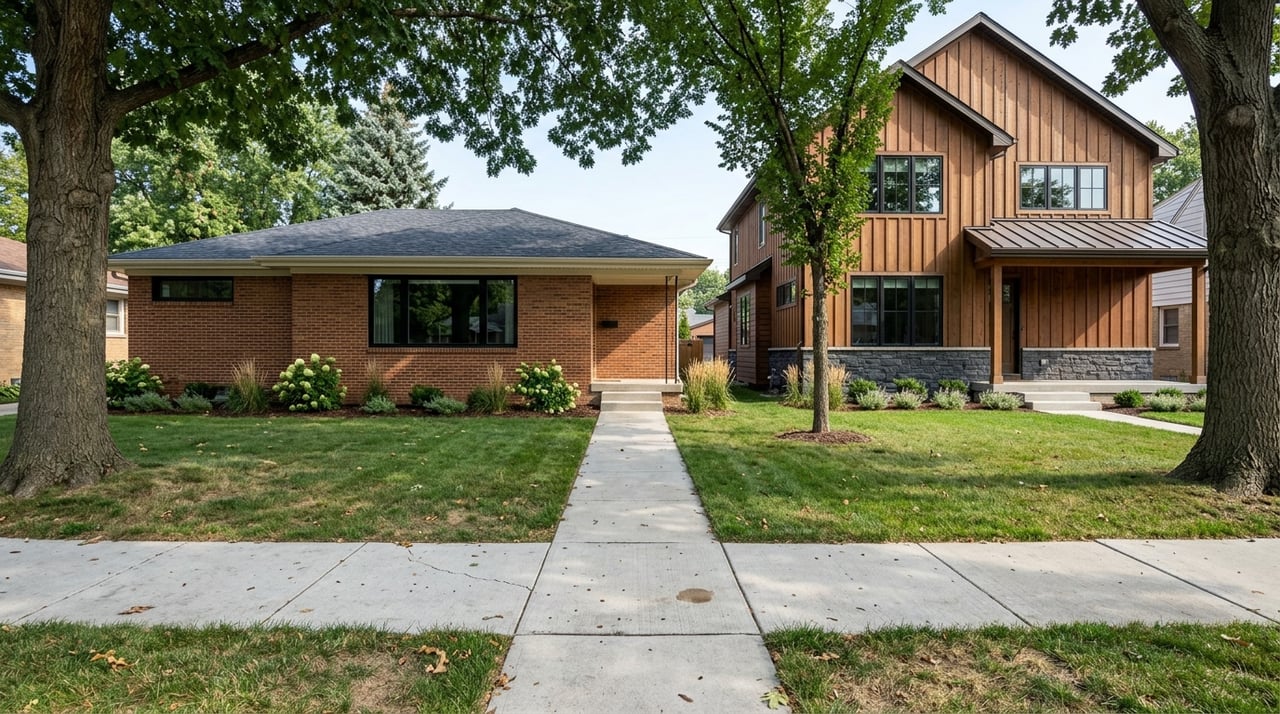
If you are thinking about buying in University Park near DU, you are not looking at a one-size-fits-all neighborhood. This part of Denver blends classic residential character, access to the University of Denver, and a housing mix that can change dramatically from one block to the next. If you want to understand what that means for your budget, your search, and your long-term plans, this guide will help you sort through the details. Let’s dive in.
Why University Park draws buyers
University Park is a long-established residential neighborhood in south-central Denver with close ties to the University of Denver. DU notes that the campus is accessible from I-25 and has its own light-rail stop, which can be a practical advantage if you want easier regional access without relying on a car for every trip. That location also helps explain why the area stays on the radar for many Denver buyers.
The neighborhood has a distinct physical character, too. The University Park Neighborhood Plan describes it as a "neighborhood in a park," with mature trees, deep setbacks, generous yards, and varied street patterns rather than one repetitive layout. In real life, that often translates to blocks that feel established and homesites that do not all look or function the same.
What daily life feels like
For many buyers, Observatory Park is a major part of the appeal. The city inventory lists a playground, tennis court, and baseball or softball field, and the park is also home to the historic Chamberlin Observatory, which DU says still hosts public outreach and stargazing events. That gives the neighborhood a recognizable centerpiece and a strong sense of place.
Connectivity matters here as well. The neighborhood plan identifies the Buchtel Trail and Harvard Gulch Trail as important east-west links, which can be useful if you like getting around by bike or on foot. Combined with proximity to campus and I-25 access, University Park offers a location that works for a range of day-to-day routines.
Expect a mixed housing stock
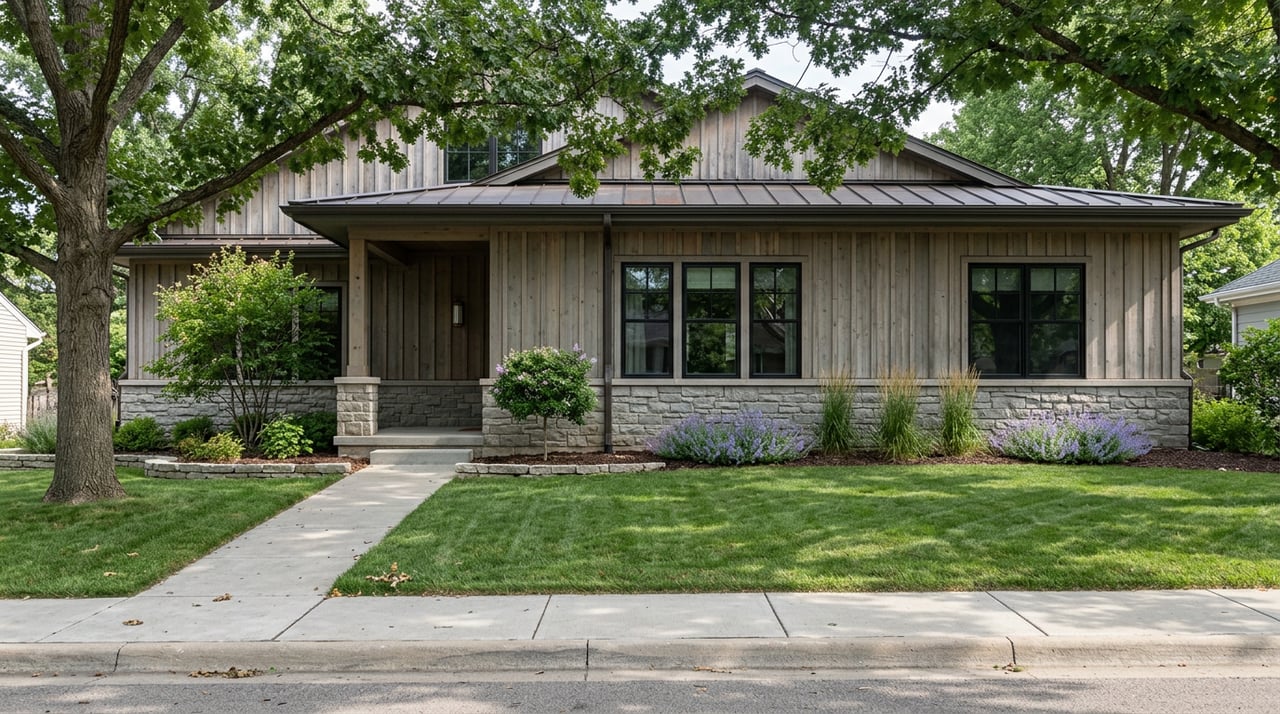
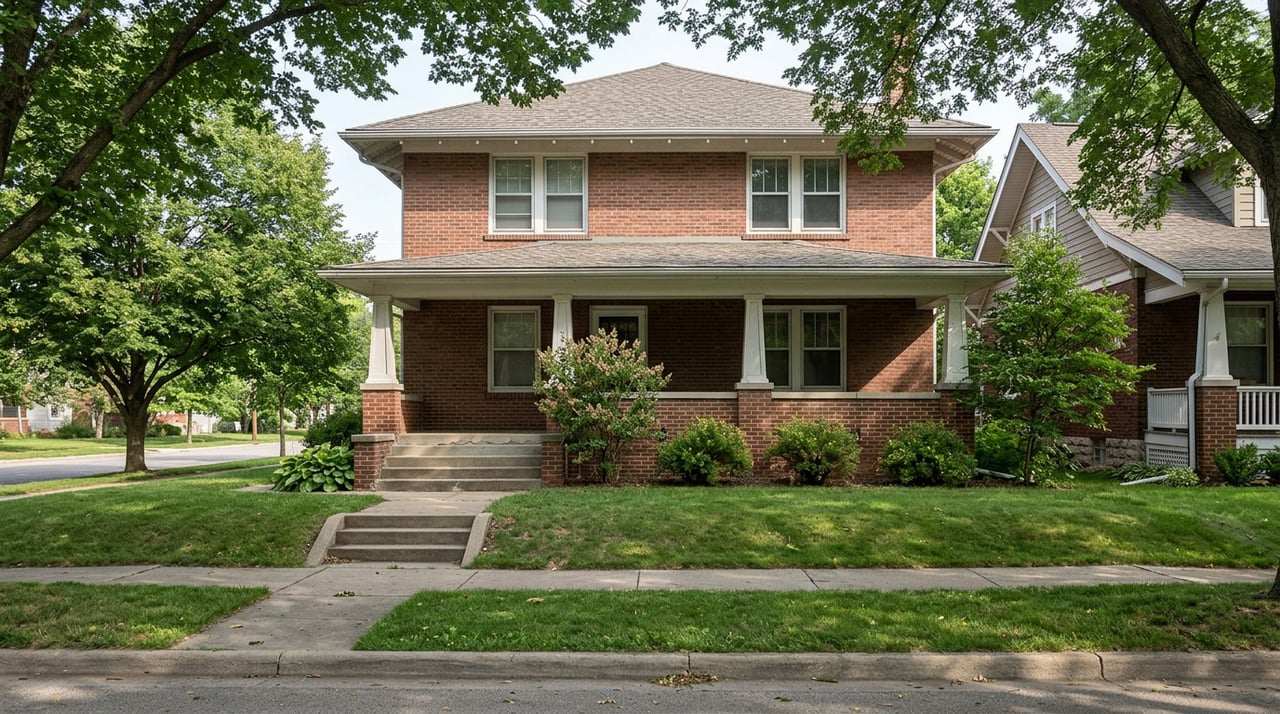
One of the biggest things to know before you buy is that University Park is not a uniform housing market. According to 5280’s neighborhood profile, the area includes tree-lined blocks with new builds, midcentury brick Tudors, and bungalows. That variety can be a plus, but it also means you need to compare homes carefully rather than assume every listing fits the same pricing logic.
The neighborhood plan also notes that scrape-offs and redevelopment have accelerated over the past decade. So when you walk the area, you may see older homes, renovated properties, and newer custom construction in relatively close proximity. That can create real differences in style, upkeep, and long-term value from one property to the next.
Lot sizes can vary more than you think
Lot size is one of the most important factors in University Park. The research shows detached homes commonly appearing on lots around 5,975 to 7,500 square feet, while some larger parcels reach about 12,000 square feet or more, and premium lots can exceed 18,000 square feet. Attached homes can sit on much smaller footprints, including examples around 570, 1,108, and 1,742 square feet.
That range matters because lot size can shape both how a property lives now and what it may offer later. A larger yard may give you more outdoor space, more privacy, or more room for future improvements, but it can also mean more maintenance. In a neighborhood with mature landscaping and redevelopment pressure, those tradeoffs deserve close attention.
Pricing in University Park near DU
University Park sits in Denver’s upper-price tier, but headline numbers only tell part of the story. Realtor.com market data reports a median listing price of about $835,000, a median price per square foot of $426, 46 homes for sale, median days on market of 38, and a sold-to-list ratio of 97%. Zillow’s neighborhood page reports an average home value of $994,931 and a median list price of $828,300 as of February 28, 2026.
At the same time, 5280 reported a 2024 average home price of $1.65 million. That gap between median and average is important because it shows how much larger infill homes and newer custom properties can pull pricing higher. In other words, University Park does not trade like a single-price neighborhood.
What the pricing spread means for buyers
If you are comparing homes here, it helps to think in categories rather than broad averages. Smaller attached homes and older properties may come in lower, while updated homes, larger lots, and newer construction can land well above the neighborhood median. That is why two homes with the same bedroom count can still represent very different value.
A smart search in University Park usually starts with your priorities:
- Proximity to DU and transit
- Detached versus attached housing
- Lot size and yard expectations
- Original condition versus updated condition
- Interest in future renovation or expansion
- Comfort with maintenance on older homes or larger lots
Buying an older home versus newer construction
Because the housing stock is mixed, many buyers end up deciding between character and convenience. An older bungalow, Tudor, ranch, or mid-century home may offer established landscaping and original architectural details. A newer build may offer updated systems, modern layouts, and less near-term repair work.
Neither option is automatically better. The right fit depends on how you plan to live in the home, what maintenance level you are comfortable with, and whether you want a move-in-ready property or a place with future improvement potential. In University Park, those decisions carry extra weight because condition and lot-specific details can significantly affect value.
Redevelopment pressure is part of the story
The University Park Neighborhood Plan specifically points to redevelopment pressure and scrape-offs. For buyers, that means it is worth looking beyond the house itself and thinking about the broader block context. A home may be surrounded by similar older properties today, but future changes nearby could affect streetscape, privacy, and long-term neighborhood feel.
This does not mean redevelopment is good or bad in every case. It simply means you should evaluate each property with clear eyes. Looking at lot size, surrounding improvements, and the pace of change on nearby blocks can help you make a more informed decision.
If you plan to remodel, verify first
Some buyers are attracted to University Park because they see potential in older homes or larger lots. That can be a good strategy, but it is important not to assume a project will be simple. Denver’s permit office says most home construction or repair projects on single-family and duplex properties require a permit, and new homes or additions go through zoning, building, and sewer or drainage review.
Before you buy with renovation in mind, review the city’s single-family and duplex permit requirements. That step can help you avoid building a plan around assumptions that do not match actual review standards or site conditions.
Rental rules to know before you buy
If part of your thinking involves renting the property out, be sure to understand Denver’s licensing rules. The city requires a residential rental property license for homes rented for more than 30 days. It also says a short-term rental must be licensed and must be the host’s primary residence.
That means University Park may offer some rental flexibility, but it is not an anything-goes short-term rental environment. You can review the city’s residential rental licensing FAQs before making plans based on income potential.
A practical University Park buying checklist
When you tour homes in University Park near DU, keep this short checklist in mind:
- Compare lot size, not just square footage inside the home
- Look closely at home condition and recent updates
- Notice whether the block leans toward original homes, new builds, or a mix
- Think through yard maintenance and tree care expectations
- Review access to DU, I-25, and trail connections based on your routine
- Verify permit and zoning considerations if you want to remodel or expand
- Confirm rental licensing rules if future leasing is part of your plan
Why local guidance matters here
University Park rewards buyers who look closely at the details. Between mixed housing types, varied lot sizes, redevelopment pressure, and a wide price range, it is easy to oversimplify the market if you rely only on neighborhood averages. The buyers who tend to feel most confident are the ones who compare homes in context and match the property to their real goals.
If you are considering a move in University Park near DU, working with someone who can help you weigh block-by-block differences, property condition, and long-term fit can make the process much clearer. When you are ready to talk through your options, connect with Carol Hoffman for thoughtful, relationship-first guidance tailored to your move.
FAQs
What should buyers know about home prices in University Park near DU?
- University Park has a wide pricing range. Current portal data shows a median listing price around $835,000, but averages can run much higher because larger lots, custom homes, and newer infill properties can skew the market upward.
What types of homes can buyers expect in University Park, Denver?
- Buyers can find a mix of detached homes and attached units, including bungalows, midcentury homes, brick Tudors, renovated properties, and newer custom builds.
What is important about lot sizes in University Park?
- Lot sizes vary significantly, from small attached-home footprints to detached homes on standard lots and some much larger parcels. That variation can affect price, outdoor space, maintenance, and future improvement potential.
What should buyers know about remodeling a home in University Park?
- Buyers planning a remodel, addition, or rebuild should verify Denver permit, zoning, and review requirements before closing, since most construction or repair projects on single-family and duplex homes require permits.
What are the rental rules for buyers in University Park, Denver?
- Denver requires a residential rental property license for rentals longer than 30 days, and short-term rentals must be licensed and must be the host’s primary residence.
What amenities stand out in University Park near the University of Denver?
- Observatory Park is a key neighborhood feature, with a playground, tennis court, and baseball or softball field, and the nearby Chamberlin Observatory hosts public outreach and stargazing events.