Shopping high-end homes in Cherry Hills Village and hearing the term “jumbo loan” everywhere? You are not alone. Many properties in this area exceed standard loan limits, which means you will likely finance with a jumbo mortgage. In this guide, you will learn what makes a loan “jumbo,” how underwriting works for luxury homes, what to prepare, and how to choose a lender that understands Cherry Hills Village. Let’s dive in.
What is a jumbo loan?
A conforming loan follows rules set by Fannie Mae and Freddie Mac and stays within the local county’s loan limit. Those limits are set each year by the Federal Housing Finance Agency. If your loan amount is above the county limit for Arapahoe County, your mortgage is considered a jumbo.
Jumbo loans are not purchased by Fannie Mae or Freddie Mac. Instead, they are held by lenders or sold to private investors. Because of that, jumbo products often have different underwriting rules and documentation needs.
Why jumbo loans are common in Cherry Hills Village
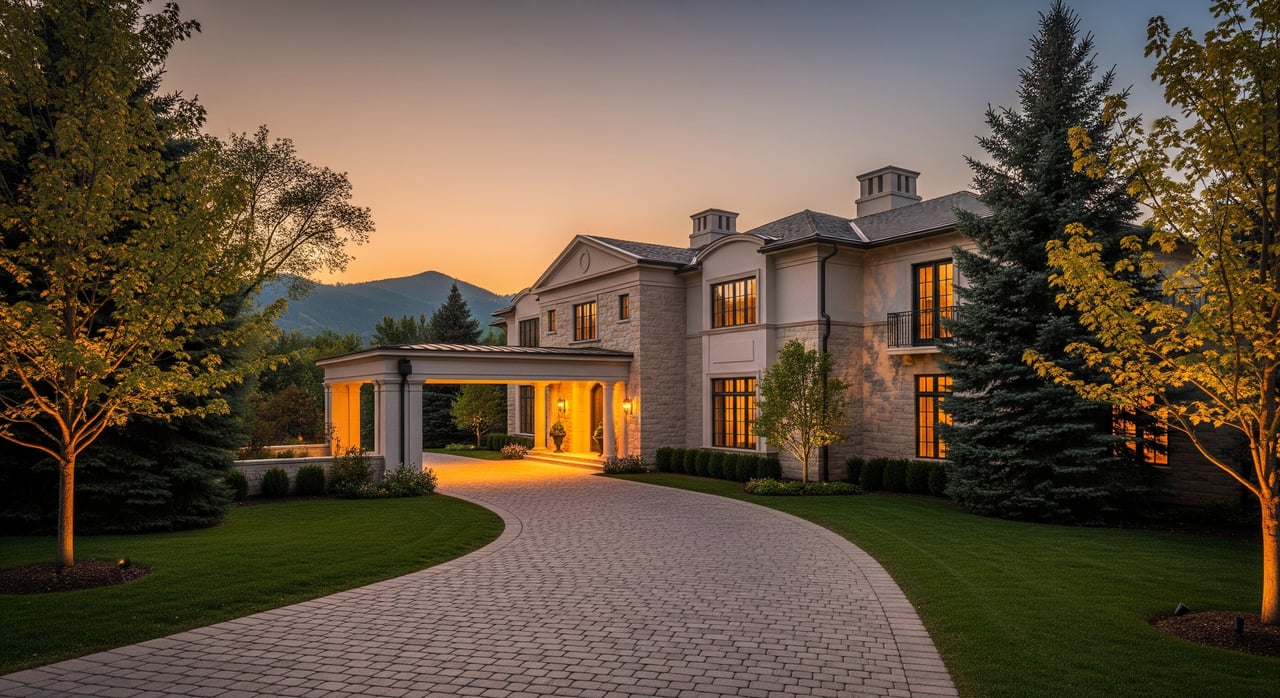
Cherry Hills Village is one of the Denver area’s highest-priced suburban communities. Many homes sit on larger lots and have custom features and high-end finishes. These property types often push purchase prices beyond conforming limits, so jumbo financing becomes the norm rather than the exception.
Luxury properties here can also take longer to appraise. Comparable sales may be limited, and amenities like guest houses, acreage, or equestrian features require extra analysis. Expect your lender and appraiser to spend more time validating value and confirming title and property details.
Rates, terms, and product options
Historically, jumbo rates were higher than conforming rates. In recent years, the gap has narrowed at times, and pricing often depends on your credit profile, down payment, and the lender’s programs. Always compare quotes from a few lenders to understand where jumbo rates sit relative to conforming at the time you apply.
You will find jumbo options that include fixed-rate terms and adjustable-rate mortgages. Some lenders also offer interest-only features for well-qualified buyers who want payment flexibility. Portfolio loans through community or private banks can offer tailored terms for complex finances or unique properties.
What lenders look for on jumbo approvals
Jumbo underwriting is more detailed. Plan on more documentation and closer review across income, assets, property, and insurance.
Income and credit
Most jumbo programs require full documentation. You will likely provide two years of tax returns, recent W-2s if applicable, and 30 to 60 days of paystubs. If you are self-employed, expect to add business returns and profit-and-loss statements. Strong credit is important for best pricing, with many lenders favoring scores in the 720 to 740 range or higher.
Down payment, LTV, and reserves
Down payment expectations are often larger than for conforming loans. Many buyers put 20 percent down for competitive terms. Some lenders allow lower down payments, but they may require extra reserves or adjust pricing. Be prepared to document liquid reserves that cover several months of total housing costs.
Debt-to-income and assets
Your debt-to-income ratio still matters, but high-asset borrowers may see more weight given to overall net worth and liquidity. Lenders will review bank and investment statements and will want a paper trail for large deposits. Retirement accounts can sometimes count toward reserves under specific rules, and gift funds may be allowed with proper documentation.
Appraisals and property review
Full appraisals are standard for jumbo loans. In Cherry Hills Village, unique features and fewer comps can lead to longer timelines or second opinions. Title, HOA, and insurance also get a close look. Lenders may ask for clear documentation on easements, water or septic status, and proper replacement-cost insurance for higher-value structures.
Choosing the right lender
Not all jumbo lenders work the same way. The right fit can save you time, stress, and money.
Local vs. national advantages
Local and regional lenders often understand Cherry Hills Village nuances and use appraisers experienced with luxury homes. That can help when a property has acreage, a guest house, or specialty amenities. National lenders can offer broader product menus and scale, but may be stricter with non-standard property features.
Questions to ask before you apply
- Do you regularly close jumbo loans in Cherry Hills Village or nearby luxury neighborhoods?
- What down payment, credit score, and reserve levels do you typically require?
- How do you handle appraisal challenges for large lots or unique amenities?
- Do you use in-house underwriting and local appraisers?
- What timeline should I expect from preapproval through closing?
Your prep checklist for a smooth approval
Use this checklist before you start house hunting. It helps you move faster when you find the right home.
- Get preapproved with a lender that offers jumbo products and has local luxury experience.
- Gather two years of federal tax returns, recent W-2s, and 30 to 60 days of paystubs. If self-employed, add business returns and a current profit-and-loss statement.
- Compile bank and investment statements and document any large deposits.
- Review your credit and consider steps to improve it before applying. Strong scores help your rate and terms.
- Plan for a typical down payment of at least 20 percent and confirm reserve expectations, often measured in months of total housing costs.
- Ask your lender about appraisers who understand Cherry Hills Village luxury properties and how they handle unique features.
- If income is complex or variable, involve your CPA early and prepare a brief explanation of any seasonality or changes year over year.
Timeline and closing cost expectations
Jumbo loans usually take a bit longer than simple conforming loans. A common window is 30 to 45 days from application to closing for straightforward cases. If your home has unusual features, acreage, or complex title items, add one to two weeks for valuation, underwriting, or document reviews.
Closing costs include origination, appraisal, title, and recording fees. Appraisals for higher-value properties may cost more, and specialized inspections can add to the total. Rate-lock periods and extensions can also affect cost if markets are volatile.
Navigating unique property features in Cherry Hills Village
Large lots, private lanes, or equestrian amenities are part of the area’s appeal. They also bring extra paperwork. Confirm easements and access, ensure HOA documents are complete if applicable, and verify water or septic details early. Clear documentation keeps underwriting on track and protects you during insurance and title review.
If you plan a renovation or a custom build, explore construction-to-permanent options. For timing gaps between a sale and a new purchase, ask lenders about bridge financing or short-term solutions common in luxury markets.
Selling and buying at the same time
If you are moving up within Cherry Hills Village or relocating into the area, coordination matters. Discuss whether you will close on your current home first or use a bridge loan to buy before you sell. Align your listing, financing, and closing timelines to reduce risk and avoid rate-lock extensions.
How to use current market data
Loan limits and pricing shift over time. Before you settle on a strategy, confirm the current Arapahoe County conforming loan limit to see whether your target home requires a jumbo. Review recent Cherry Hills Village sales data to understand price ranges and how quickly luxury homes are selling. Your lender and real estate team can help you interpret these figures and set expectations.
Next steps
Jumbo financing does not need to be complicated. With the right preparation, an experienced lender, and a local real estate partner who understands Cherry Hills Village, you can move forward with confidence. If you want help aligning your financing strategy with the right property and neighborhood fit, reach out to Carol Hoffman for a conversation.
FAQs
What is the difference between conforming and jumbo loans?
- Conforming loans follow Fannie Mae and Freddie Mac rules and stay under the county limit. Jumbo loans exceed that limit and follow lender or investor guidelines instead.
Do jumbo mortgages always have higher rates?
- Not always. While jumbo rates have often been higher historically, the gap can narrow. Pricing depends on credit, down payment, reserves, and the lender’s program.
How much down payment do I need for a jumbo in Cherry Hills Village?
- Many buyers plan for at least 20 percent down. Some lenders allow lower down payments with stronger reserves or adjusted pricing. Ask about options for your profile.
What documents will my lender require for a jumbo?
- Expect full documentation: two years of tax returns, recent W-2s and paystubs, bank and investment statements, and a paper trail for large deposits. Self-employed buyers add business returns and profit-and-loss statements.
Why do appraisals take longer on luxury homes?
- Luxury properties may have fewer comparable sales and unique features that require deeper analysis. Lenders may request experienced appraisers or additional valuation review.
Are second homes or investment properties eligible for jumbo loans?
- Yes, but underwriting is often more conservative. Plan for larger down payments, stronger reserves, and potentially higher rates.